If you are planning an international trip or need to renew your passport, a balance with the IRS could stand in your way. Under the FAST Act, the IRS has the authority to certify taxpayers with "seriously delinquent tax debt" to the U.S. State Department. Once certified, the State Department can deny your passport application or even revoke your existing one.
What Qualifies as "Seriously Delinquent" in 2026?
Not every tax bill will ground your flight. To be certified for passport restriction, your debt must meet three specific criteria:
- The $66,000 Threshold: As of 2026, the inflation-adjusted threshold is $66,000. This total includes the original tax, as well as all accrued penalties and interest.
- Lien or Levy Filed: The IRS must have already filed a Notice of Federal Tax Lien or issued a Levy to collect the debt.
- Rights Exhausted: Your administrative rights to challenge that lien or levy (such as a Collection Due Process hearing) must have lapsed or been exhausted.
How Will I Know If My Passport Is at Risk?
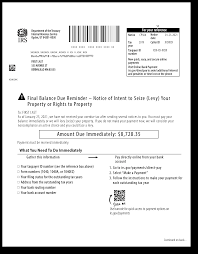
The IRS will not surprise you at the airport. You will receive Notice CP508C by mail. This letter formally notifies you that the IRS has certified your debt to the State Department.
If you receive this notice:
- The State Department will generally deny any new passport application or renewal.
- They may revoke your current passport.
- If you are already abroad, your passport may be restricted to allow only a direct return to the United States.
5 Ways to Save Your Passport
Even if you owe more than $66,000, you can prevent or reverse certification by entering a "Good Standing" status with the IRS. Your passport is safe if you:
- Pay in Full: The most immediate fix. Once the debt falls below the threshold, the IRS must notify the State Department to decertify you.
- Set Up an Installment Agreement: An IRS-approved payment plan stops the certification process, even if you still owe hundreds of thousands of dollars.
- Submit an Offer in Compromise (OIC): While your settlement offer is being considered, the IRS generally will not certify your debt.
- Request "Currently Not Collectible" (CNC) Status: If you can prove financial hardship, the IRS can place you in CNC status, which protects your passport rights.
- Innocent Spouse Relief: If the debt belongs to a spouse or ex-spouse and you qualify for relief, your passport will not be affected.
Urgent Travel: The 45-Day Rule
If you have international travel scheduled within the next 45 days and your passport is currently blocked, the IRS has an expedited decertification process.
To qualify, you must have an open passport application and provide proof of your travel (like a flight itinerary). In these circumstances, Wolf Tax can often reduce the standard 30-day decertification window to 10–14 days.
Annual Reminder
If you have already been certified and haven't resolved the debt, the IRS must send you a CP71C each year.
- The Impact: This letter serves as a reminder that you are still certified and your passport remains at risk or restricted. It’s the IRS's way of saying, "We haven't forgotten, and you still can't fly."
Why Choose Wolf Tax?
Passport issues are time-sensitive and legally complex. At Wolf Tax, we specialize in the "Compliance First" strategy. We don't just help you pay the IRS; we navigate the certification process to restore your freedom of movement as quickly as possible.