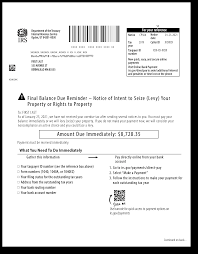
If you just opened a letter from the IRS that says “Notice of Intent to Levy” or “Notice of Your Right to a Hearing,” your heart probably skipped a beat. You aren’t alone. In 2026, the IRS has ramped up automated collection efforts, and these notices are being sent out in record numbers.
But here is the most important thing you need to know: A notice is not a seizure. You still have time to protect your bank account and your paycheck—but the clock is ticking.
What is a CP504 Notice?
The CP504 notice is the IRS’s way of saying they are serious about collecting your back taxes. It is often the "final reminder" in a series of letters (CP501, CP503).
While a CP504 allows the IRS to seize your state tax refund immediately, they generally cannot garnish your wages or take money from your bank account until they send one more specific letter: the Final Notice of Intent to Levy and Notice of Your Right to a Hearing (often labeled as Letter LT11 or L-1058).
The 30-Day Window: Your "Golden Opportunity"
Once you receive that Final Notice (LT11/L-1058), you have exactly 30 days to request a Collection Due Process (CDP) Hearing.
Why is a CDP Hearing so powerful?
- It Stops the Levy: As soon as you file Form 12153 to request a hearing, the IRS is legally required to stop almost all collection actions.
- It Moves Your Case: Your file is moved away from the aggressive "Collections" department and over to the "Appeals" office.
- It Gives You Leverage: You can propose alternatives like a payment plan or a settlement (Offer in Compromise) while your assets are safe.
What the IRS Can Seize If You Wait
If you ignore these notices and the 30-day window expires, the IRS can proceed with:
- Bank Levies: They can "freeze" the funds in your bank account. You have 21 days to resolve the issue before the bank sends your money to the IRS.
- Wage Garnishments: They can take a massive chunk out of your weekly paycheck—often leaving you with barely enough to pay basic rent.
- Asset Seizure: In extreme cases, they can seize vehicles, equipment, or even real estate.
3 Immediate Steps to Stop an IRS Levy
If you have a CP504 or a Final Notice in your hand today, do these three things:
1. Don't Hide from the Mail
Ignoring the letters doesn't stop the clock; it just forfeits your right to appeal. Read the notice to find the "Notice Date" and your "Deadline to File an Appeal."
2. Check Your Compliance
The IRS will not negotiate a settlement or a payment plan if you have unfiled tax returns. At Wolf Tax, we can pull your IRS transcripts to see exactly which years are missing and get them filed fast.
3. Seek Professional Representation
An experienced tax professional can often get a levy released within 24 to 48 hours by demonstrating economic hardship or by establishing an Installment Agreement.