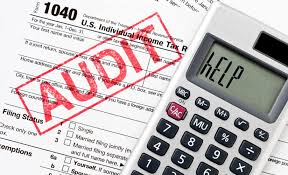
Detecting the precursors to an IRS audit can be as critical as the audit itself. The IRS uses a combination of human review and highly sophisticated algorithms—specifically the Discriminant Inventory Function (DIF)—to score returns for audit potential.
Common Red Flags to Watch For
Identifying these signals can help you stay one step ahead of the agency:
Income Mismatches: This is the most common trigger. The IRS receives copies of your W-2s, 1099s, and K-1s.If the numbers you report don't match their records, the Automated Underreporter (AUR) system will flag it instantly.
High Income Brackets: While anyone can be audited, the probability increases significantly for those earning over $400,000.For taxpayers with income exceeding $10 million, the audit rate has historically been much higher, sometimes exceeding 10-15%.
Rounding Numbers: Neat, round numbers (e.g., $5,000 for travel, $2,000 for advertising) are a major red flag.They suggest estimation or "fudging" rather than actual record-keeping. The IRS expects to see specific amounts, such as $4,982.47.
Excessive Business Deductions: If you are a sole proprietor (Schedule C), claiming deductions that are disproportionate to your gross income will trigger the DIF algorithm.The IRS compares your expenses to industry averages.
Lifestyle Inconsistency: Reporting a very low income while having a large mortgage or substantial luxury expenses can prompt a "lifestyle audit." The IRS algorithm assumes you must have unreported income to sustain your cost of living.
100% Business Use of a Vehicle: It is extremely rare for a vehicle to be used 100% for business with zero personal use.Claiming this without a separate personal vehicle on record is an immediate "red flag."
Strategic Red Flags in Specialized Areas
Digital Assets and Crypto: IRS Form 1040 specifically asks about digital asset transactions. With 2026's enhanced reporting requirements, failing to check "Yes" when you have traded Bitcoin or other tokens is a high-risk move.
Foreign Accounts (FBAR): Failing to file FinCEN Form 114 if you have over $10,000 in foreign accounts can lead to severe penalties.The IRS aggressively targets offshore assets to prevent tax evasion.
The "Hobby" Trap: If your business has reported a loss for 3 out of the last 5 years, the IRS may reclassify it as a hobby. This disallows all loss deductions, potentially leading to a massive back-tax bill.
How to Mitigate Risk
E-File: The error rate for paper returns is roughly 21%, compared to less than 1% for e-filed returns.
Explain Anomalies: If you have a legitimate but unusual deduction (like a massive one-time business expense), attach a brief, clear explanation to your return.
Maintain a contemporaneous log; don't reconstruct records at the end of the year. Keep a mileage and expense log as they happen.