
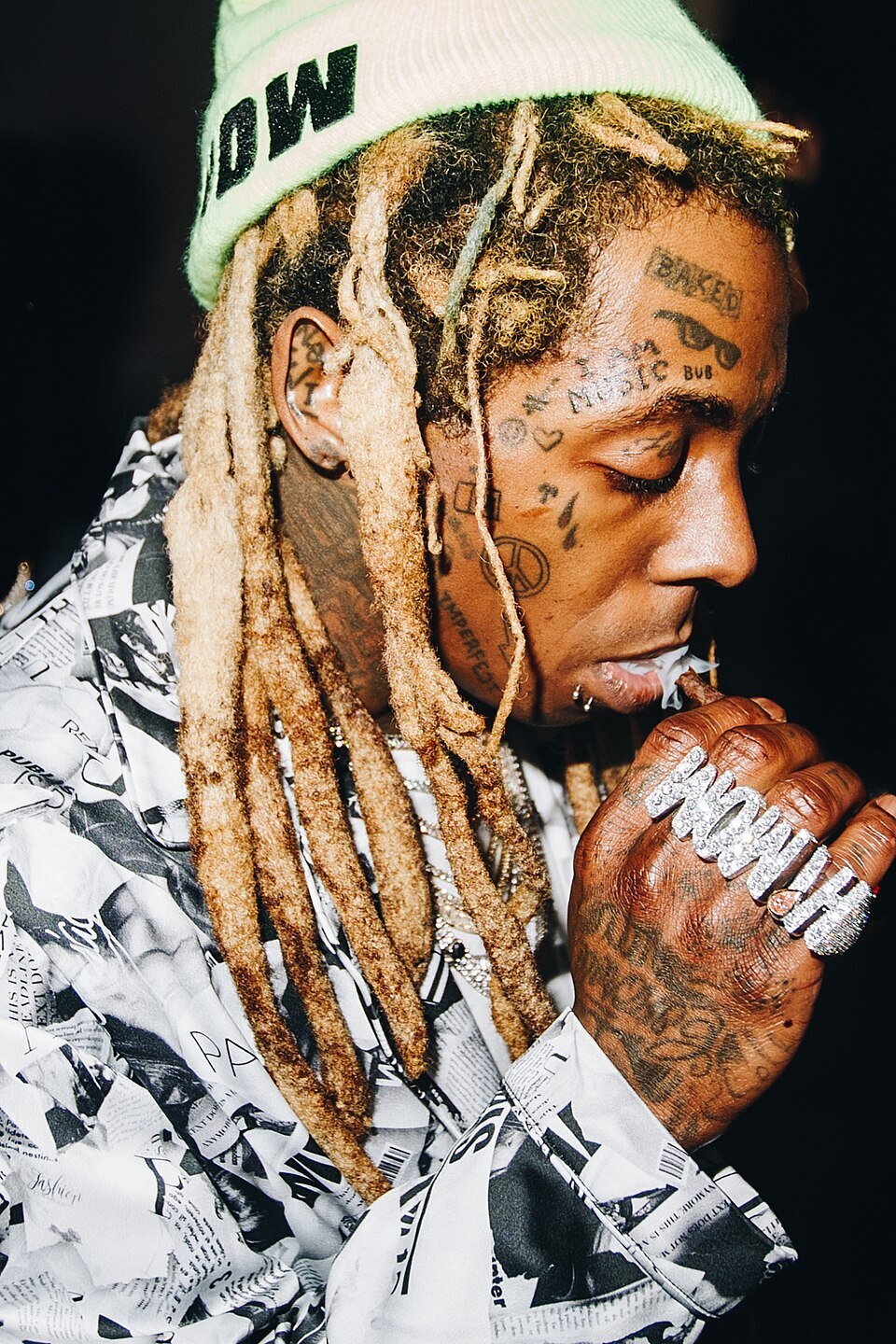
Lil Wayne and His IRS Wake-Up Call

<span id="hs_cos_wrapper_name" class="hs_cos_wrapper hs_cos_wrapper_meta_field hs_cos_wrapper_type_text" style="" data-hs-cos-general-type="meta_field" data-hs-cos-type="text" >Lil Wayne and His IRS Wake-Up Call</span>

Lil Wayne—one of the most influential rappers of his generation—has earned tens of millions of dollars through music, touring, and endorsements. But even massive success didn’t shield him from serious tax trouble.

In 2012, the IRS filed a federal tax lien of more than $12 million against Lil Wayne (Dwayne Michael Carter Jr.) for unpaid federal income taxes, primarily for the 2008 tax year. Reports indicated that the debt stemmed from income that was earned, reported, but not fully paid—triggering years of accumulated interest and penalties.

Unlike cases involving tax fraud or offshore schemes, Lil Wayne’s situation reflected a more common issue among high earners: cash flow mismanagement and delayed tax payments, even while spending remained high. As the balance grew, the IRS escalated enforcement through liens—public filings that attach to assets and limit financial flexibility.

Lil Wayne later took steps to resolve the issue, including working with tax professionals and making arrangements to address the outstanding balance. While the lien made headlines, the matter did not result in criminal charges.