Owing the IRS can feel like an anchor weighing down your financial future. But here is the good news: the IRS would actually rather have you "back in the system" than spend years chasing a debt you can't afford.
That is the philosophy behind the IRS Fresh Start Program. As we move through the 2026 tax season, the rules have become even more flexible to help taxpayers resolve back taxes without the fear of aggressive collections.
What is the "Fresh Start" Program?
"Fresh Start" isn't a single form you fill out; it is a set of guidelines the IRS uses to make it easier for individuals and small businesses to pay back taxes. In 2026, these principles apply to four main areas:
- Streamlined Installment Agreements: If you owe $50,000 or less (including tax, penalties, and interest), you can typically qualify for a "streamlined" payment plan. The best part? You generally don't have to provide a detailed financial statement or prove your hardship to get approved for a plan lasting up to 72 months.
- Offer in Compromise (OIC): This is the "settlement" option. If you truly cannot afford to pay your full debt, the IRS may allow you to settle for a fraction of what you owe. Under current 2026 standards, the IRS looks at your Realizable Collection Potential, taking into account your income, assets, and necessary living expenses.
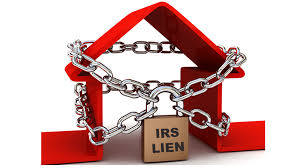
- Tax Lien Withdrawal: One of the biggest wins of the Fresh Start program was raising the threshold for when the IRS files a public Notice of Federal Tax Lien. In 2026, staying on a Direct Deposit payment plan can often help you get a lien withdrawn entirely, protecting your credit score.
- Currently Not Collectible (CNC) Status: If paying anything at all would prevent you from covering basic needs like rent or food, the IRS can temporarily pause all collection activities.
New for 2026: The "OBBB" Impact
With the passage of the One Big Beautiful Bill (OBBB), several changes now affect how the IRS evaluates your ability to pay:
- Higher Expense Allowances: The "standard" living expenses the IRS allows you to keep (before it takes its cut) have been adjusted for inflation in 2026.
- The Senior Deduction: If you are over 65, the new $6,000 senior deduction may lower your "disposable income" in the eyes of the IRS, potentially making it easier to qualify for a lower settlement (OIC).
How to Qualify
To use any Fresh Start option in 2026, you must meet two "Golden Rules":
- Be Current on Filings: You cannot settle back taxes if you haven't filed your most recent returns.
- Stay Current on Payments: If you are self-employed, you must be up-to-date on your 2026 estimated tax payments.
Don’t Wait for a Revenue Officer to Knock
The IRS is more aggressive than ever in using automated levies and wage garnishments. However, the moment you enter a Fresh Start agreement, those collection actions must stop.