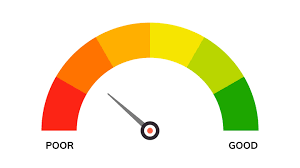
One of the biggest fears taxpayers have when dealing with back taxes is the "credit score death spiral." You might be wondering: Does the IRS report my debt to Equifax? Will an installment agreement lower my score? Can I ever buy a house if I have a tax lien?
The truth is more positive than you might think. While tax debt can indirectly hurt your finances, the IRS Fresh Start Program actually provides the most powerful tools available to protect—and even repair—your credit history.
1. Does the IRS Report to Credit Bureaus?
The short answer is no. As of 2026, the IRS does not report your tax balance or your monthly payment history to the three major credit bureaus (Experian, TransUnion, and Equifax).
Unlike a missed credit card payment or a car repossession, simply owing the IRS money does not automatically lower your credit score. However, if you ignore the debt, the IRS can take actions that do impact your creditworthiness.
2. The "Hidden" Danger: Federal Tax Liens
While the IRS doesn't report to bureaus, a Notice of Federal Tax Lien (NFTL) is a public record.
- The Impact: Although most credit bureaus stopped including tax liens on consumer reports in 2018, lenders still find them.
- The Risk: If you apply for a mortgage, a business loan, or even some high-level jobs, a background check or title search will reveal the lien. Lenders view a tax lien as a "first-position" claim on your assets, making you a high-risk borrower.
3. The Fresh Start Solution: Withdrawal vs. Release
This is where the IRS Fresh Start Program becomes your credit's best friend. There is a massive difference between a lien Release and a lien Withdrawal.
| Action |
What it Means |
Impact on Credit/Background |
| Lien Release |
You paid the debt. The IRS no longer has a claim. |
The public record still shows you had a lien for up to 7 years. |
| Lien Withdrawal |
The IRS removes the public notice entirely. |
The record is erased as if the lien were never filed. |
The Fresh Start Win: Under this program, you can often request a Withdrawal even before the debt is paid in full, provided you enter a Direct Debit Installment Agreement and meet certain payment thresholds (typically owing $25,000 or less).
4. How an Installment Agreement Helps Your Score
Entering a [Fresh Start installment agreement] (link to main page) protects your credit in two ways:
- Stops the Lien: If you set up a payment plan early, the IRS often refrains from filing a public lien at all.
- Preserves Cash Flow: By avoiding "Bank Levies" (where the IRS takes money directly from your account), you ensure you have the funds to pay your other bills—like credit cards and mortgages—on time. Timely payment of those bills is what keeps your score high.
5. Summary: 3 Steps to Protect Your Credit in 2026
If you’re worried about your credit score, follow this Fresh Start checklist:
- Get Compliant: File all back returns immediately to qualify for relief.
- Set Up Direct Debit: The IRS is much more likely to withdraw a lien if your payments are automated.
- Apply for Form 12277: Once you’ve made three consecutive payments on a qualifying plan, work with a professional to file the Application for Withdrawal.
Take Control of Your Financial Reputation
Don't let a public record stand between you and your next home or business goal. Our team can help you navigate the Fresh Start Program to ensure your tax resolution strategy includes credit protection.